Chocolate lovers know that Have a peek at this website the experience begins with that first bite, not with a soggy mess. Yet when you send a box of truffles across state lines, the journey can turn your sweet treasure into a melted catastrophe. This guide shows you how to avoid damage to chocolate during long distance shipping, keeping every bite as blissful as the last.
Why Chocolate is a Fragile Traveler
Chocolate is a confectionary marvel, but it behaves like a nervous cat when exposed to heat, humidity, or vibration. The cocoa butter inside can melt at temperatures as low as 30 °F (≈ -1 °C) above room temperature, turning glossy ganache into a greasy puddle. Even a brief exposure to 80 °F (≈ 27 °C) can cause blooming—white, chalky spots that ruin the look and texture.
*Have you ever opened a chocolate box only to find a puddle of disappointment?* That’s the reality many shipping companies face when they forget that chocolate is not a robust cargo. A single careless moment can turn a gift into a culinary tragedy.
The Science Behind the Melt
- Cocoa butter crystallization: Chocolate contains cocoa butter, which melts at 34 °F (≈ 1 °C). Once melted, it refreezes in a less desirable crystal structure. Humidity and condensation: Moisture can create a film on the chocolate surface, leading to sugar bloom. Vibration and shock: Rough handling can cause the chocolate to crack or break, especially if it’s brittle or filled.
Understanding these factors helps you design a shipping strategy that keeps your chocolate safe.
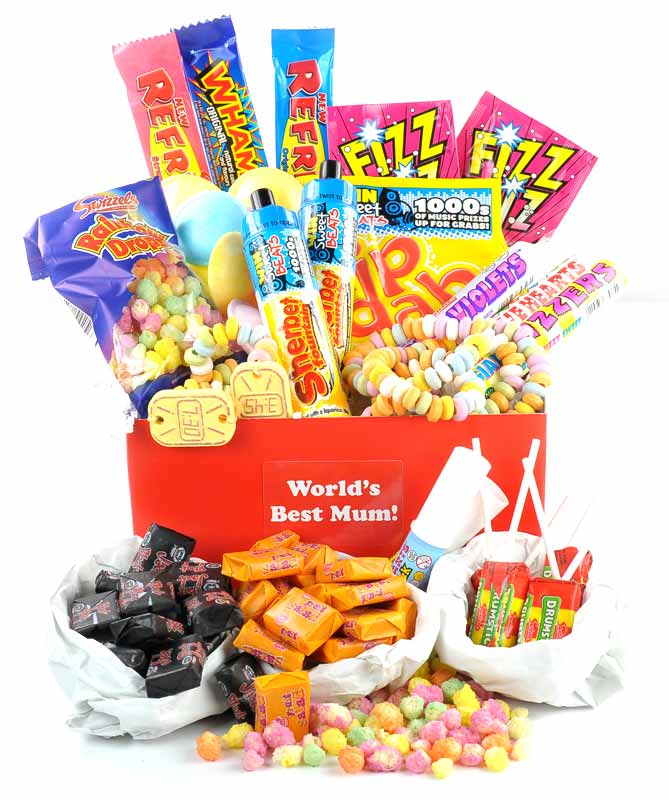
Packing Principles for Sweet Success
Proper packaging is the first line of defense. Think of it as a fortress built to withstand the chaos of transit.
Insulation is Your Best Friend
- Use thermal insulation packs or dry ice if the shipment is expected to exceed 80 °F. Wrap each chocolate item in individual bubble wrap or foamed plastic to absorb shocks. Place a layer of silica gel packets at the bottom of the box to absorb excess moisture.
The Box Matters
- Choose a rigid, double-walled cardboard box that can resist crushing. Line the interior with foam or padded inserts to keep chocolates from sliding. Seal the box with heavy-duty packing tape and reinforce corners with corner protectors.
Weight Distribution
- Distribute weight evenly; heavier items should be at the bottom. Avoid stacking chocolates directly on top of each other without cushioning.
> “The only thing sweeter than chocolate is the satisfaction of a well-executed shipment.” – Anonymous
Quick Check List
- ❑ Thermal insulation pack or dry ice? ❑ Individual cushioning for each piece? ❑ Double-walled box with reinforced corners? ❑ Silica gel packets inside? ❑ Heavy-duty tape and corner protectors?
Choosing the Right Shipping Partner
Not all couriers treat fragile items with the same care. Selecting a partner who understands chocolate’s sensitivities can be the difference between a Click here melt and a masterpiece.
Look for Specialized Services
- Temperature-controlled shipping: Some carriers offer refrigerated or climate-controlled options. Express delivery: Shorter transit times reduce exposure to fluctuating temperatures. Insurance: Ensure the carrier offers coverage for perishable goods.
Ask the Right Questions
- “Do you offer a temperature log for shipments?” “What is your average transit time for long-distance orders?” “Can you handle fragile, temperature-sensitive packages?”
A good courier will be transparent about their handling procedures and willing to accommodate special requests.
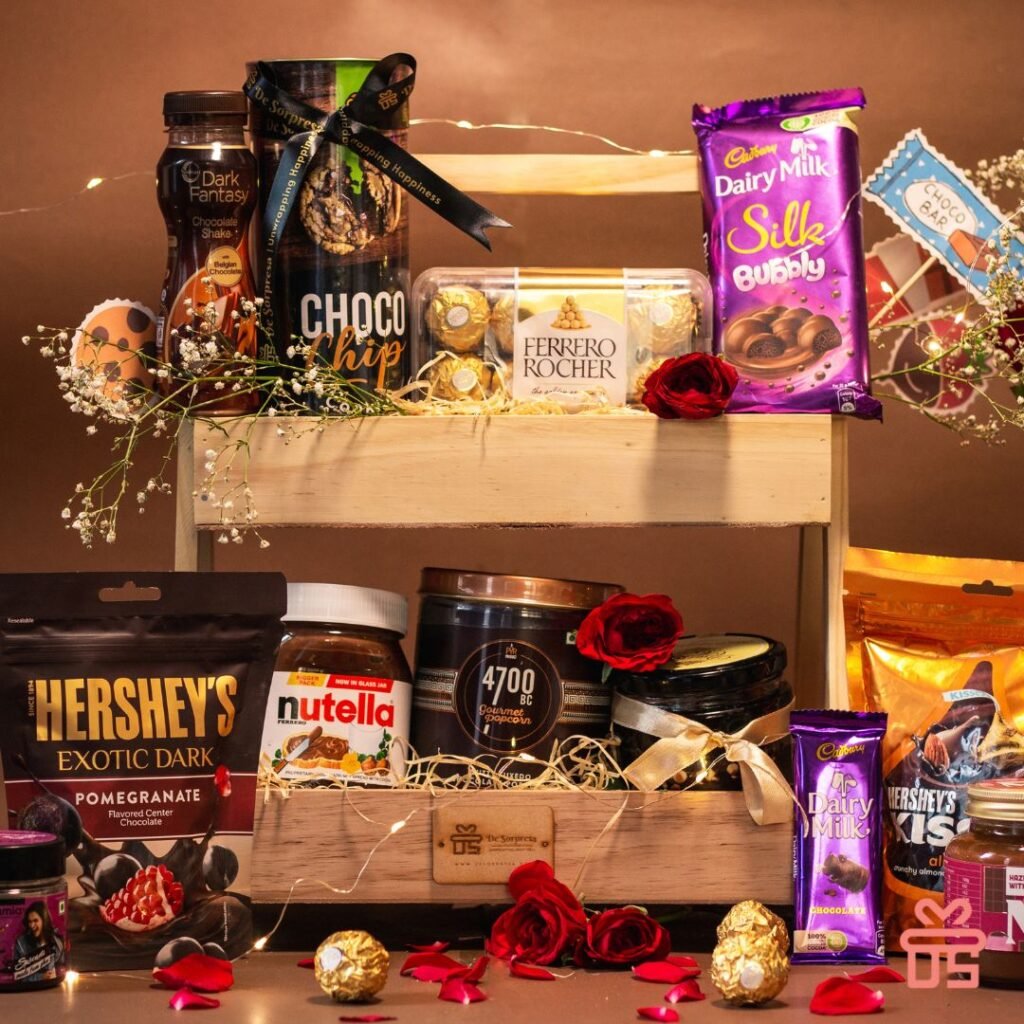
Monitoring & Handling During Transit
Once the package leaves your hands, you’re not out of control. However, there are steps you can take to keep tabs on your chocolate’s journey.
Use Tracking and Temperature Sensors
- Attach a temperature logger to the package to record temperature fluctuations. Opt for carriers that provide real-time tracking updates.
Communicate with the Recipient
- Instruct the recipient to store the chocolate in a cool place upon arrival. Encourage them to unpack immediately to minimize exposure to ambient heat.
Quick Response Plan
- If the temperature log shows a spike above 80 °F, notify the carrier immediately. If the package arrives damaged, document the condition with photos and contact the carrier’s claims department.
Final Tips & Common Mistakes
Even with the best planning, small oversights can lead to disappointment. Avoid these pitfalls:
- Ignoring the “no freezer” rule: Chocolate should never be frozen; it can cause texture changes. Overpacking: Too much packing material can trap heat. Choosing the wrong box size: A box that’s too large increases the chance of movement and heat buildup.
Quick Recap
- Use insulation and moisture absorbers. Pack in a sturdy, double-walled box. Choose a carrier that offers temperature control. Track the shipment and communicate with the recipient. Avoid common packing errors.
The Perfect Gift Awaits
With these strategies, you can confidently ship chocolate across long distances, ensuring it arrives in pristine condition. Remember, a well-packaged chocolate box is more than just a treat—it’s a promise that your care and attention have traveled with every bite.
Now, whether you’re sending a birthday surprise to a friend in another city or exporting artisanal truffles to a boutique overseas, you’ve got the tools to keep your chocolate from turning into a sad, melted memory. Pick the right packaging, partner, and monitoring plan, and let your sweet gift glide across the miles like a chocolate-coated comet.